

THE MICROBIOME IS A “PARALLEL” ORGAN IN YOUR BODY
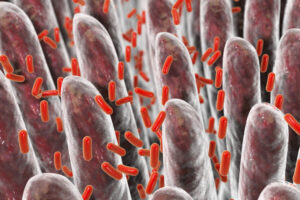 You have a new organ in your body; actually, it is called a “parallel organ”, and it performs essential functions to support your health that your DNA cannot do on its own. It protects the single layer of cells that separates your body from the contents of the digestive tract – allowing the vitamins, minerals and other nutrients into your blood stream and keeping out any chemical toxins or pathogenic microbes.
The intestinal microbiome weighs about 4 lbs. and is home to an estimated 35 million bacteria and other microbes which is close to the total number of cells in your body.
It is a stunning microsociety that supports other systems in your body to such an extent that “long-term health is considered impossible without a healthy microbiome”.
Also, microbiome barrier disruption is considered a contributing factor in every chronic disease including high blood pressure, diabetes type 2, obesity and many more.
FUNCTIONS OF A HEALTHY GUT MICROBIOME:
Digestion and nutrient production
- Produces vitamins: B1, B2, B6, B12, K2 (menaquinone), biotin, folate
Immune System Education & Regulation
- Trains 70–80 % of the immune system including cytotoxic T cells that directly kill infected or cancerous cells, helper T cells that coordinate other immune cells like B cells and macrophages, and regulatory T cells that prevent the immune system from attacking the body’s own tissues (autoimmunity).
- Keeps IgA production high (2–5 g/day secreted into lumen)
Energy regulation and metabolism
- Ferments plant fibers into short-chain fatty acids (SCFA) such as butyrate, propionate, and acetate which fuel the colon lining cells. Butyrate provides ~70 % of their energy
- Regulates fasting-induced adipose factor which controls fat storage
- Produces secondary bile acids (e.g., lithocholic, deoxycholic) that activate insulin sensitivity and aid in the digestion and absorption of lipids, cholesterol, and fat-soluble vitamins, and they help regulate the intestinal environment by influencing epithelial homeostasis and the gut microbiome
Barrier Function & Gut Integrity
- Butyrate & other SCFA help to maintain tight-junction proteins and protective mucus
- Akkermansia muciniphila directly thickens mucus
- Produces antimicrobial peptides via epithelial signaling
Neuroendocrine & Brain Function
- Produces more than 90 % of body’s serotonin (from tryptophan)
- Makes GABA and dopamine precursors
- Metabolites like short-chain fatty acids (SCFAs) and other neuroactive compounds that affect the brain’s ability to produce for Brain-Derived Neurotrophic Factor, a protein vital for the health and function of the brain and spinal cord.
- Produces chemical messengers that stimulate the vagus which transmits signals from the gut to the brain. These signals can influence mood, reduce inflammation, and affect brain functions like neurogenesis and stress response. The microbiome influences vagal activity through molecules like short-chain fatty acids (SCFAs) and bile acids, which interact with receptors on the vagus nerve endings.
- Controls HPA axis via SCFA and microbial metabolites
Detoxification & Pathogen Resistance
- Microbes can physically trap metal ions on their cell surfaces or in their biofilms, preventing them from being absorbed by the body. However large amounts of specific heavy metals, like arsenic, cadmium, lead, and mercury, can decrease beneficial bacteria while increasing potentially harmful ones.
- Degrades dietary toxins, oxalates, some heavy metals and some pharmaceuticals
- Competitive exclusion + bacteriocins/phages kill some
Cardiovascular Protection
- Certain gut bacteria convert dietary choline, phosphatidylcholine (red meat, eggs) and L-carnitine (red meat) into trimethylamine (TMA), which the liver turns into Trimethylamine N-oxide. High circulating TMAO is one of the strongest microbial-related predictors of major adverse cardiovascular events (MACE) — myocardial infarction, stroke, death — even after adjusting for traditional risk factors. Meta-analyses show people in the top quartile of TMAO have ~60–90 % higher risk of CVD events.
- Low grade inflammation arising from gut barrier disruption contributes to heart disease as well as every other chronic disease, such as hypertension, diabetes type 2 and obesity
Cancer Prevention
- A healthy gut microbiome plays a major protective role against many cancers, especially colorectal cancer (CRC), but also liver, pancreatic, breast, prostate, and lung cancers. The mechanisms are now backed by extensive medical research
- Butyrate and propionate: Induce apoptosis (death) of cancer cells
- Many beneficial bacteria bind or enzymatically degrade dietary carcinogens (heterocyclic amines from charred meat, nitrosamines, aflatoxin, polycyclic aromatic hydrocarbons) and secondary bile acids (deoxycholic acid, lithocholic acid) that promote cancer
- Healthy microbiome enhances the immune system which protects against cancer
- Healthy microbiome reduces inflammation with lower levels of inflammatory cytokines such as IL-6 and TNF-α
CAUSES OF MICROBIOME BARRIER DYSFUNCTION
- Western diet (high saturated fat + low fiber) – strongest evidence
- Diet high in refined sugar, or sweets
- Chronic stress, high cortisol
- Alcohol (chronic and binge)
- Antibiotics used recurrently over lifetime
- Nonsteroidal anti-inflammatory medications such as aspirin, Advil and Motrin
- Proton pump inhibitors such as Prilosec, Nexium and Prevacid
- Chemotherapy
- Circadian rhythm disruption, or sleep deprivation
- Artificial sweeteners including sucralose, and saccharin
- Dietary emulsifiers (CMC, P80) – very strong in humans now
- Infections (Giardia, C. difficile, SIBO, pathogenic E. coli)
HOW TO EVALUATE YOUR MICROBIOME
Call 480.607.7999 for a consultation at MindBody Medicine Center