

The hallmarks of protein and amino acid restriction in aging and longevity
Bailey A. Knopf1,2,3 ∙ Dudley W. Lamming1,2,3,4,5 Send email to dlamming@medicine.wisc.edu
CELL PRESS BLUE Volume 1, Issue 5100079August 17, 2026
Introduction
Since McCay’s 1935 report that calorie restriction (CR) extends rat lifespan, CR has proven to be a robust and reproducible intervention, with benefits for lifespan and healthspan in organisms ranging from yeast to non-human primates, as well as significant benefits for human health in short-term studies.1 However, a CR diet is generally thought to be too difficult for many people,2 which raises the question: is there a way to achieve the healthspan and lifespan effects of CR without reducing overall energy intake?
In rodents, the ratio of dietary macronutrients profoundly impacts lifespan, with low-protein, high-carbohydrate diets extending lifespan and improving metabolic health.3,4 A low-protein diet, also referred to as protein restriction (PR), is a robust geroprotective regimen that lowers total dietary protein intake while still meeting nutritional needs. Like CR, PR improves healthspan and increases the lifespan of yeast, flies, and rodents.3,5,6,7,8,9
Despite these findings, human dietary recommendations generally suggest increasing protein intake. While the official Recommended Dietary Allowance (RDA) for protein is 0.8 g/kg of bodyweight regardless of sex or age,10 intakes of 1.0–1.2 g protein/kg of bodyweight are routinely recommended for individuals over the age of 65 to prevent sarcopenia and frailty,11,12,13,14,15 and the most recent Dietary Guidelines for America suggest 1.2–1.6 g protein/kg of body weight.16 These recommendations are supported by studies finding that short-term high protein diets promote weight loss, largely by promoting satiety and reducing food intake17,18,19,20 in highly compliant subjects.21 Sarcopenia, age-related muscle loss, is of great concern in the elderly due to its contribution to frailty, and increasing dietary protein, often paired with resistance exercise, is advised by medical doctors as a way to improve muscle mass, combat sarcopenia, and reduce frailty in older individuals.12,22,23,24
However, accumulating evidence challenges the idea that higher protein intake is beneficial. Human association studies have found that high-protein diets are associated with an increased risk of diabetes, cancer, and mortality,25,26 as well as an increased risk of death due to cardiovascular events.27,28 An analysis of the National Health and Nutrition Examination Survey (NHANES) data found that higher protein consumption correlates with increased mortality and age-associated disease incidence, including diabetes.25,26,29 A 2023 study in the UK reported that increased dietary protein intake was positively associated with sarcopenia in older twins, challenging the conventional idea that dietary protein prevents sarcopenia.30,31,32,33
Randomized controlled trials (RCTs) support the metabolic benefits of PR in humans. In 2016, we reported that individuals consuming a low-protein diet for 43 days exhibited decreased body weight and fat mass and reduced fasting blood glucose despite increased caloric intake, mirroring our findings in rodents.34 A recent study in lean men found that a 5-week PR intervention improves insulin sensitivity and increases energy expenditure.35 In the context of diabetes, short-term (27 days) PR was shown to reduce adiposity, improve insulin sensitivity, decrease circulating glucose and lipid levels, and reduce overall inflammation in patients with metabolic syndrome.36 Additional studies have found that PR lowers blood levels of insulin and hemoglobin A1C and improves kidney disease outcomes in diabetic patients.37 Conversely, a high-protein, low-carbohydrate diet was recently shown to be less effective than a moderate-protein diet in lowering blood glucose, improving glucose tolerance, and promoting prediabetes remission.38
These seemingly contradictory studies leave many wondering what the optimal amount of dietary protein is for healthy aging. A 2025 report found that 61% of American consumers increased their protein intake in 2024, up from 48% in 2019, suggesting that many Americans believe that higher protein intake is beneficial.39 Food manufacturers have tapped into this belief by increasing production of protein-dense foods.40 As protein-fortified foods flood grocery store shelves and older adults are urged to increase protein intake, the need to understand how dietary protein impacts aging is more important than ever. In this review, we will discuss the hallmarks of PR in the context of aging and age-associated diseases, the effects of individual amino acids, and the molecular mechanisms underlying these effects and highlight gaps in our knowledge and priorities for future research.
Hallmarks of dietary PR
Conducting studies in model organisms allows precise control of nutrition, with respect to both quantity and composition. Recent work from our lab and others has shown that PR extends the lifespan of rodents.3,5,41,42,43 Table 1 summarizes the broadly positive impact of PR on the lifespan of laboratory animals. Using laboratory models as a basis for PR response, we will discuss the hallmarks of PR, shown in Figure 1, through an aging-focused lens.
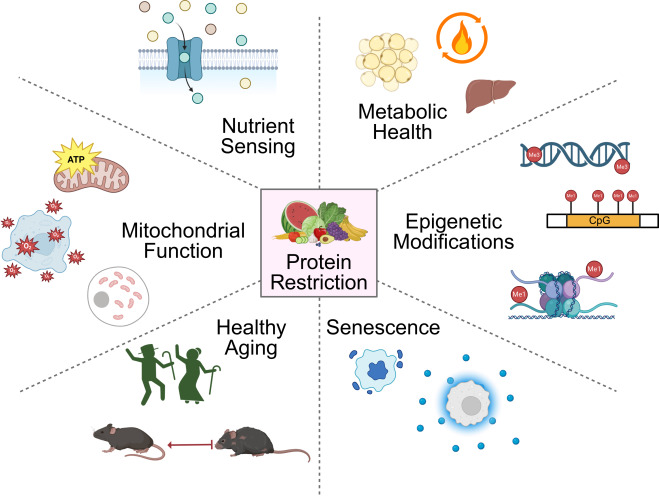
Figure 1 The hallmarks of dietary protein restriction
| Sex | Dietary protein content | Model | Effects on hallmark | Effect on lifespan | Citations |
|---|---|---|---|---|---|
| Not available | 75% vs. 10% | Brook trout | reduced body weight | ∼128% increase | McCay et al.44 |
| Male | 26% vs. 14% | Albino rats | reduced body weight | 13% increase | Slonaker45 |
| Female | 16% increase | ||||
| Male | 20.4% vs. 7.8% | Sprague-Dawley rats | – | ∼40% increase | Ross et al.46 |
| Female | 26% vs. 4% | C57BL/6J mice | – | ∼19% increase | Leto et al.43 |
| Male | 26% vs. 4% | C57BL/6J, A/J, and F1 generation | reduced body weight | 14.6% increase, 6.1% increase, 17.1% increase | Goodrick47 |
| Male | 21% vs. 12.6% | Fisher 344 rats | – | 52.7% increase | Horakova et al.42 |
| Female | 22% vs. 13% | Dahomey flies | – | 43.4%–65.2% increase | Mair et al.8 |
| Male/Female | 50% vs. 6.25% | Canton-S flies | – | ∼122% increase | Lee et al.48 |
| Female | 50% restriction | Dahomey flies | – | ∼40% increase | Grandison et al.49 |
| Female | 50% restriction | Dahomey flies | reduced mTORC1 signaling | ∼18% increase | Emran et al.50 |
| Male/Female | 60% vs. 5% | C57BL/6J mice | improved metabolic health, reduced mTORC1 signaling, increased mitochondria activity | ∼13% increase | Solon-Biet et al.3 |
| Male | 21% vs. 7% | C57BL/6J mice | improved metabolic health, reduced frailty | 34.9% increase | Richardson et al.5 |
| Female | no effect | 22% decrease | |||
| Male | 20% vs. 5% | C57BL/6J mice | improved metabolic health | ∼10% increase | Hill et al.41 |
| Male | 19.3% vs. 9.65% | Ercc1 KO progeroid mice | – | ∼19% increase | Van Galen et al.51 |
| Female | no change |
Table 1
Recent studies examining the effect of dietary protein restriction on lifespan and the hallmarks of PR in laboratory models mTORC1, mechanistic target of rapamycin complex 1; KO, knockout.
Hallmark 1: Metabolic health
Aging in laboratory animals and humans is characterized by decreased energy expenditure,52,53,54 increased body weight, and fat accumulation.55 In young rodents, dietary PR improves metabolic function by reducing adiposity, increasing energy expenditure, and improving glucose homeostasis.5,56,57,58,59,60 This is not due to decreased calorie intake; PR actually increases food intake yet decreases fat mass and weight due to increased energy expenditure.57,61,62 Although these effects are most pronounced in males, females also show improved metabolic health with PR.63,64 PR remains effective when initiated late in life (18–20 months of age), increasing energy expenditure and improving metabolic health in aged mice.65,66 The metabolic improvements induced by PR likely contribute to the longevity benefits of PR, making improved metabolic health our first hallmark.
A primary mediator of the metabolic benefits of PR is fibroblast growth factor 21 (FGF21), a hormone induced by nutritional stress, including fasting.67 Dietary PR robustly elevates FGF21 in mice, rats, and humans.34,35,57,68 Multiple groups have shown that FGF21 is required for many metabolic effects of PR, including increased food intake, reduced body weight, increased energy expenditure, and extended lifespan.41,57,64,69,70 Other geroprotective diets, including CR,71 methionine restriction,72 branched-chain amino acid (BCAA) restriction,56 and isoleucine restriction,73 induce FGF21, and at least some of the metabolic benefits of these diets may be mediated by FGF21.
Many of the functions of FGF21 are mediated by adipose tissue. FGF21 promotes energy expenditure in part through uncoupling protein 1 (UCP1)-dependent thermogenic beiging of white adipose tissue (WAT).74,75 PR stimulates WAT beiging via the action of FGF21 in the brain, where FGF21 stimulates sympathetic signaling.76,77,78,79 FGF21 may also be able to directly stimulate WAT thermogenesis in the absence of UCP1.80,81 PR similarly increases thermogenesis in brown adipose tissue (BAT) via an FGF21-dependent mechanism, promoting glucose consumption via sympathetic signaling, suggesting a systemic adipose tissue response to FGF21.78,82 Although FGF21 promotes health via BAT-independent mechanisms,83 the increased activity of BAT may also contribute to healthy aging. The increased energy expenditure and thermogenesis may drive increased food intake with dietary PR through shifting brain signaling toward protein appetite, as mice administered exogenous FGF21 exhibited a strong behavioral preference for protein-rich food.57,68,84,85
Beyond thermogenesis, FGF21 is also a key regulator of lipid homeostasis. PR reduces circulating triglycerides by increasing disposal and decreasing production upon FGF21 induction.86 FGF21 stimulates fatty acid uptake by adipocytes, most likely by increasing insulin sensitivity.86,87 FGF21 also mediates the effect of PR on cell senescence and inflammation in WAT.88 In obese rodent models, exogenous FGF21 reduces hepatic steatosis, inflammation, and fibrosis.89,90,91 Administration of FGF21 to obese mice improves kidney pathology through decreased renal damage, renal lipid accumulation, inflammation, and fibrosis.92,93 These data suggest that FGF21 administration could be leveraged to treat age-related metabolic diseases.
FGF21 plays a key role in regulating lifespan. Mice overexpressing Fgf21 have a significant increase in lifespan (∼30% in males and ∼40% in females), implicating FGF21 as a geroprotective hormone.94 Critically, Fgf21-null mice do not live longer on PR, identifying FGF21 as essential for PR’s longevity benefits.41 While circulating FGF21 is produced primarily by the liver, adipocyte-specific Fgf21 overexpression increases plasma FGF21 and significantly increases the median survival of high-fat-fed male mice.69 Fgf21 overexpression in the adipose tissue and thymus also slows immune aging, which may contribute to the long life of mice overexpressing Fgf21.95
Hallmark 2: Nutrient-sensing pathways
A leading hypothesis for the geroprotective effects of PR is altered nutrient pathway signaling. Amino acid sensing is physiologically important because scarcity promotes catabolic pathways and induces autophagy. Molecular analysis of aging rate indicators shows that PR shifts the molecular signature of the liver toward a more youthful state.66 General control nonderepressible 2 (GCN2) and mechanistic target of rapamycin (mTOR) are two kinases we will discuss, which phosphorylate a subset of aging rate indicators. The ability for organisms to muster a coordinated response to PR requires activation of GCN2 and inhibition of mTORC1.
Pathway 1: GCN2
GCN2 is an evolutionarily conserved stress-responsive serine/threonine kinase that plays a key role in maintaining cellular homeostasis.96 GCN2 is activated by amino acid restriction through uncharged tRNAs, which bind to GCN2 and directly activate it,97,98 as well as by ribosomes stalling and colliding on RNA.99 Activated GCN2 phosphorylates the alpha subunit of eukaryotic initiation factor 2 (eIF2α), suppressing global protein synthesis during nutrient stress100,101 while selectively promoting the translation of activating transcription factor 4 (ATF4), a key activator of stress response and autophagy genes.102
Drosophila lacking Gcn2 die when amino acids are restricted,103 while deletion of Gcn2 in yeast blocks the ability of dietary restriction to extend lifespan,104 demonstrating the importance of Gcn2 across species. Conversely, overexpression of Gcn2 in yeast and Drosophila extends lifespan.105,106 During PR, GCN2 is initially required for the induction of FGF21,68,107 but when PR is extended, FGF21 is induced even in Gcn2-deficient mice. The response to PR is coordinated by GCN2 activation of FGF21 and by inhibition of mTORC1, thereby activating autophagy pathways.108 Similarly, GCN2 activates hepatic gluconeogenesis in response to decreased amino acid availability, suggesting its pivotal role in organism metabolism.109
Pathway 2: mTOR
The master nutrient sensor mTOR forms two complexes: mTOR complex 1 (mTORC1) and complex 2 (mTORC2), with distinctive functions and substrates and which impact aging in different ways. Pharmacological or genetic inhibition of mTORC1 extends lifespan in many species; in mice, inhibition of mTORC2 worsens insulin sensitivity, whereas in Drosophila, C. elegans, and mice, it decreases lifespan.110,111,112,113,114,115 Normal aging leads to constitutive mTORC1 activation in many tissues, leading to cellular dysfunction,116,117,118 and mouse knockout models have revealed that without inhibition of mTORC1, the benefits of PR are lost.119 PR inhibits mTORC1 in a variety of tissues, including liver, heart, muscle, adipose tissue, and brain.3,66,120,121
mTORC1 integrates nutrient availability and hormonal cues to regulate cellular processes. The canonical regulation of mTORC1 by amino acids has been reviewed at length.122,123 Most recently, it has been discovered that internal and exogenous sources of amino acids differentially regulate mTORC1124 and that leucine signals to mTORC1 in specific neurons by binding to and activating a specific voltage-gated calcium channel.125 PR likely inhibits mTORC1 through multiple complementary mechanisms, including reduced availability of mTORC1-activating amino acids and alterations in hormones.
PR may promote autophagy while inhibiting protein synthesis. Autophagy preserves cellular homeostasis by removing “cellular trash,” including protein aggregates and dysfunctional organelles.126,127 Upon mTORC1 inhibition, ULK1 initiates autophagosome formation; mice lacking the ability to activate hepatic autophagy have blunted responses to PR.126 Many age-associated diseases exhibit impaired autophagy, including neurodegeneration,128 whereas fasting and geroprotective interventions tend to activate autophagy.129 Inhibition of mTORC1 suppresses translation by reducing phosphorylation of S6K1 and ribosome biogenesis. Genetic ablation of S6K1 in mice results in a significant extension of lifespan,130 suggesting that PR might promote lifespan by decreasing S6K1 activity. Decreased mTORC1 activity also inactivates translation by phosphorylating eIF4E-binding protein 1 (4E-BP1), blocking eIF4E from binding to RNA and initiating translation. Together, these coordinated effects on autophagy and protein synthesis may drive many of the geroprotective effects of dietary PR.
Hallmark 3: Senescence
Cellular senescence is an irreversible cell-cycle arrest triggered by different cellular stressors.131,132 Senescent cells develop a senescence-associated secretory phenotype (SASP) characterized by the activation of pro-inflammatory pathways that promote tissue dysfunction, which can accelerate aging,133 while clearance of senescent cells can ameliorate age-related disease.134
High-protein diets increase senescence in the liver, while PR reduces hepatic senescence.66,135 Similarly, high-protein diets increase inflammation and senescence in WAT,136 while PR reduces both senescence and inflammation in the adipose tissue through an FGF21-dependent mechanism.88 High-protein diets also promote senescent cell accumulation in the kidney, and PR reduces this burden.137
FGF21 also suppresses senescence in cultured cells, reducing drug-induced senescence and the expression of pro-inflammatory SASP markers.138,139 In diabetic mice, FGF21 administration reduced senescent cells in vascular smooth muscle cells, which experience exacerbated senescence due to chronic hyperglycemia.140 The detrimental nature of senescent cells in the metabolic tissues could contribute to worsening obesity upon aging, and the ability of dietary PR to decrease adipose and liver senescence may represent an important mechanism by which PR regulates healthspan.
Hallmark 4: Mitochondrial dysfunction
Possessing their own genome, metabolome, proteome, and transcriptome, mitochondria generate ATP while also serving as central regulators of metabolism. Mitochondria become less efficient with age, with reduced mitochondria recycling, the accumulation of DNA damage, and impaired electron transport chain activity reducing ATP production. Mitochondria are the primary source of reactive oxygen species (ROS), extremely reactive chemical molecules that damage proteins, lipids, and DNA. Increased ROS with aging can drive senescence in a variety of cell types,134 and mitochondrial dysfunction has been linked to many age-associated diseases, including insulin resistance and type 2 diabetes (T2D).141
While CR preserves mitochondrial function by reducing ROS, improving mitochondrial biogenesis, and reducing DNA mutations, few studies have examined the impact of PR on mitochondria.142,143 PR reduces hepatic ROS and increases mitochondrial activity, suggesting that PR improves mitochondrial function.3,144,145 Conversely, feeding mice a high-protein diet significantly reduces electron transport chain activity in the skeletal muscle and impairs exercise endurance, suggesting that increased dietary protein may be harmful to skeletal muscle mitochondrial homeostasis, perhaps due to mTORC1-mediated suppression of AMP-activated protein kinase (AMPK).146,147 Similarly, increased dietary protein also decreases hepatic ATP synthesis in chickens.148
The association of PR with improved mitochondrial function and high-protein diets with dysfunction is not uniformly observed. Dietary protein supplements have been reported to increase mitochondrial respiration and reduce oxidative stress in the brain,149 while a different clinical trial reported no improvements in mitochondrial energy production after 10 days of PR.150 In a mouse study, we observed no effect of dietary protein on mitochondrial function in skeletal muscle.151 These varying effects of PR on mitochondrial function may be due to experimental factors that vary between experiments. These studies highlight not only the potential benefits of PR for mitochondrial function but also the remaining knowledge gap in clarifying how dietary protein regulates mitochondrial function.
Hallmark 5: Epigenetic modification
Epigenetic modifications, such as DNA methylation and posttranslational modifications (PTMs) of histone tails, allow organisms to adjust gene expression without altering the underlying DNA. Aging is accompanied by and perhaps driven in part by the erosion of the epigenetic landscape, leading to improper gene regulation and promoting the hallmarks of aging, including cell senescence.152 Histone methylation, acetylation, ubiquitination, and phosphorylation all change with age, and a subset of histone PTMs can be used as molecular markers of cellular aging.152,153
The severe food restriction experienced during the Dutch winter of 1944/1945 resulted in transgenerational effects of nutrition on health mediated by epigenetic mechanisms,154,155 and CR has been shown to blunt age-associated changes in DNA methylation.156 In contrast, little is known about how PR impacts the epigenome. PR in pregnant rodents leads to loci-specific changes in histone methylation and thus gene expression,157,158 while in pigs, changing dietary protein levels led to altered expression of DNA methyltransferases in the liver and skeletal muscle in the mothers,159 as well as loci-specific changes in histone methylation in the livers of the offspring.160 Some studies report that the offspring from PR mothers exhibit reduced body weight, reduced hepatic lipid accumulation, and improved glucose tolerance early in life,161 while others report long-term metabolic dysfunction in the offspring.162,163,164 As discussed below, accumulating evidence suggests that dietary levels of specific amino acids regulate histone PTMs.165,166,167 Collectively, these data suggest that PR can impact gene expression in both organisms and their offspring by regulating the epigenome and may promote healthspan by preserving or restoring a youthful epigenetic landscape.
Hallmark 6: Healthy aging
PR not only extends lifespan but also extends healthspan across diverse species.3,5,41,49,168,169,170,171,172,173 In addition to the many positive effects on the hallmarks we have defined above, a key factor in healthspan is frailty, a state of vulnerability in which the risk of dependency, falls, hospitalization, and mortality increases.
Older adults are now advised to consume more protein to prevent frailty and combat sarcopenia, a recommendation supported by several studies. For example, adults consuming 1.2 g/kg of bodyweight/day had 40% less skeletal muscle loss over 3 years compared to those consuming 0.8 g/kg.14 Higher protein intake is associated with a reduced risk of frailty in observational studies,174,175 and an analysis of UK Biobank data found that consuming more protein reduced the risk of frailty in individuals over the age of 50.176 However, a recent study of British twins showed that eating more protein is associated with increased risk of sarcopenia,30 while consumption of a low-protein Mediterranean diet is associated with increased muscle mass and strength.177 Protein source may partially explain these conflicting data, as plant but not animal protein has been shown to be associated with a reduced risk of frailty.178
Our own studies have found that although a high-protein diet promotes muscle growth, especially when combined with resistance exercise,151 PR blunts age-associated increases in frailty.173 Further, PR initiated late in life reduces lean mass but may reduce or blunt further declines in frailty.64,66 Exercise can largely offset the lean mass loss associated with low-protein diets in humans, suggesting that individuals may be able to obtain the benefits of PR while preserving muscle.179
Although the effects of PR on human lifespan are unknown, it has been hypothesized that the long lifespan of the Japanese population of Okinawa is due to their diet, which contains about 9% protein and is strikingly similar to that of PR laboratory studies.180 The Okinawan diet also derives 80% of its calories from plant sources, and individuals generally consume fewer calories overall, making it difficult to assign all of the benefits to the lower protein intake.181 Nevertheless, these observations support the possibility that PR may promote healthy aging in humans.
Another important component of aging is resilience, the ability to “bounce back” from stress. Although lab animals are maintained in a low-stress, controlled environment, the ability to withstand and recover from a variety of stresses, including extremes of temperature, fasting, and infections, is critical to healthy aging in humans. Cellular resilience, the ability of cells to respond to stressors such as hypoxia, pathogens, or heat, also declines with age.182 The loss of resilience contributes to chronic disease, multimorbidity, and death and is influenced by diet, lifestyle, and genetic factors. PR in Drosophila increases resilience during aging, improving responses to starvation, bacterial infection, and heat stress.169 The impact of PR on resilience in mammals remains to be determined.
Are there distinct roles for every amino acid?
There have long been questions about the role of different dietary amino acids in the benefits of CR and PR. Restriction of the essential amino acids (EAAs) recapitulates the benefits of PR on lifespan in both Drosophila and mice, while restriction of the non-EAAs (NEAAs) has no benefit for lifespan.49,183 Among the EAAs, methionine and the BCAAs—leucine, isoleucine, and valine—are likely the primary drivers of these effects, as restriction of these individual amino acids has benefits for both metabolic health and longevity in rodents.73,173,184,185,186 Several additional EAAs and NEAAs may also contribute to distinct aspects of the response to PR. These studies are summarized below and in Table 2.
| Amino acid | Degree of restriction | Model | Effects on hallmark | Effect on lifespan | Citations |
|---|---|---|---|---|---|
| BCAAs | 66% | C57BL/6J male mice | improved metabolic health, decreased mTORC1 activity reduced frailty | 30% increase | Richardson et al.5 |
| 85% | Dahomey flies | decreased mTORC1 activity | ∼65% increase | Juricic et al.187 | |
| Methionine | 65%–77% | CB6F1 female mice | improved metabolic health | ∼10% increase | Miller et al.184 |
| 93% | CB6F1 male mice | – | 7% increase | Sun et al.188 | |
| 80% | Fisher 344 male rats | – | 30% increase, 42% increase | Orentreich et al.186; Richie et al.189 | |
| Isoleucine | 66% | UM-HET3 male mice | improved metabolic health, reduced SASP, reduced frailty | 33% increase | Green et al.173 |
| 0% transiently | Dahomey flies | – | ∼5% increase | Fulton et al.190 | |
| Valine | 66% | C57BL/6J male mice | improved metabolic health, decreased senescence, reduced frailty | 23% increase | Calubag et al.185 |
Table 2
Current studies investigating the impact of essential amino acid restriction on the hallmarks of protein restriction and lifespan of laboratory organisms
BCAAs, branched-chain amino acids; mTORC1, mechanistic target of rapamycin complex 1.
Methionine
Methionine restriction extends the lifespan of many species.183,184,186,191,192,193 When initiated early or late in life, methionine restriction reduces body weight; increases lean mass; improves mitochondrial function, lipid metabolism, and frailty; and extends the lifespan of rodents.184,194,195,196,197,198 The metabolic response to methionine restriction is partially dependent on FGF21, and mice lacking Fgf21 exhibit blunted responses of energy expenditure, beiging, and insulin sensitivity upon methionine restriction.72,199 Methionine restriction also inhibits mTORC1, which may contribute to the lifespan-extending effects.196
Methionine is the precursor of S-adenoysl-L-methionine, the universal methyl donor.200 Dietary methionine deprivation may impact physiology through changes in histone methylation due to decreased availability of methyl donors,201 suggesting that chromatin alterations are a direct result of carbon sensing and availability. While this could be thought to be detrimental to cellular health, cells are able to preserve heterochromatic stability through upregulation of H3K9 mono-methylation in the liver, suggesting that organisms may undergo epigenetic adaptation in response to altered amino acid availability.166,167
There are promising studies investigating methionine restriction or sulfur amino acid restriction in humans. Eight weeks of sulfur amino acid restriction increased FGF21, reduced leptin, and reduced body weight.202,203 Likewise, individuals adhering to a strict vegan diet, which has been shown to reduce blood levels of methionine,204,205 experience weight loss, reduced circulating lipid levels, and improved glucose homeostasis.206,207,208
BCAAs
High circulating levels of BCAAs are associated with obesity, insulin resistance, and mortality in humans.209,210,211 In rodents, high-BCAA diets promote obesity and insulin resistance, increase inflammation, and decrease lifespan.209,212,213,214 Conversely, dietary restriction of the BCAAs promotes metabolic health in both lean and obese rodents, and in lean mice, it reduces frailty and extends lifespan, recapitulating many of the benefits of PR.5,34,56,59,73,215,216,217 BCAA restriction improves Alzheimer’s disease (AD) pathology and cognition in rodent models of AD, and restriction of each individual BCAA impacts cognition, Aβ plaque deposition, and tau pathology differently. While these studies generally conclude that decreased dietary BCAAs are beneficial for healthy aging, positive effects of BCAAs on mitochondrial function, hepatic steatosis, physical performance, and lifespan have been reported.218,219,220,221
BCAA restriction also recapitulates several of the hallmarks of PR. BCAA restriction reduces mTORC1 signaling, induces Fgf21 expression, and reduces hepatic cellular senescence.5,56,222 BCAA restriction in individuals with metabolic syndrome resulted in improved mitochondrial respiratory efficiency, promoting overall health.223 In Drosophila, epigenetic changes induced by BCAA restriction mediate the benefits of this diet for lifespan.165
To date, there have been two human studies investigating the impact of dietary BCAA restriction. The first reduced BCAA intake by 75% for 7 days in lean individuals and found that circulating BCAAs were reduced by 50% and insulin sensitivity was improved.224 The second RCT reduced dietary BCAAs by ∼60% for 4 weeks, resulting in improved glucose and insulin homeostasis, increased circulating FGF21, and reduced mTORC1 signaling in the WAT.223 Conversely, increased BCAA intake was correlated with reduced sarcopenia risk in a cohort of Chinese adults aged 55+,225 while a study found that BCAA supplementation paired with light resistance exercise improved muscle strength in patients in long-term care.226 The incomplete consensus on BCAA restriction/supplementation, perhaps due to alternative factors such as physical activity, highlights the need for more research to understand the impact of each on health and aging. While the BCAAs are most often considered as a group, recent investigations have shown that each individual BCAA plays an important role in aging.
BCAA: Leucine
Leucine is a potent mTORC1 activator that stimulates skeletal muscle anabolism227 and has been rigorously studied as a dietary intervention to promote healthy aging. In humans, leucine supplementation increases muscle protein synthesis227,228 but does not improve muscle function.229,230 Leucine supplementation decreases body fat in aging rats,231 consistent with our finding that leucine restriction in mice increases body weight, adiposity, and fat mass.34 However, some groups have reported the opposite, finding that leucine restriction is effective at reducing fat mass and improving glucose homeostasis.196,232 It is possible that differences in the specific degree of leucine restriction, or the ratio of other amino acids to leucine, explain these divergent results.
Similarly, divergent results about the effect of leucine on cardiovascular health have been reported. Some studies suggest that leucine negatively impacts cardiovascular health, showing that leucine supplementation increases atherosclerosis plaque progression in mice in an mTORC1-dependent manner233,234 and that the leucine metabolite isovaleric acid accelerates the development of atrial fibrillation.235 However, other groups report that leucine supplementation improves vascular function in young and aged mice.236,237,238
BCAA: Isoleucine
Isoleucine has recently emerged as a key regulator of metabolism and aging. Dietary isoleucine levels are correlated with body mass index in humans,73 and increased circulating isoleucine levels are associated with increased mortality risk.210 In Western diet-fed mice, increasing dietary isoleucine promotes body weight and fat accretion, potentially because of lower energy expenditure, as well as glucose intolerance and insulin resistance.213
In contrast, isoleucine restriction consistently improves metabolic health across multiple dietary contexts and age groups in mice.66,73,173,213 Isoleucine restriction extends the lifespan of both Drosophila and mice, reduces frailty and increases healthspan in mice, and rejuvenates aged mice at the molecular level, modifying signaling through nutrient-sensing pathways.66,165,172,173,190 Additionally, isoleucine restriction induces substantial changes in the epigenome, including PTMs on histone tails.166,241 Isoleucine restriction also improves AD outcomes in male mice.242 Together, these studies show that isoleucine is an exceptionally powerful modifier of the hallmarks of PR, and reduced isoleucine almost certainly contributes to the benefits of a PR diet.
BCAA: Valine
Valine metabolism involves the conversion to succinyl-CoA, which can enter the TCA cycle and produce ATP. Restricting valine alone reduces body weight, improves metabolic health, reduces hepatic senescence, and extends the lifespan of male mice.185 In female mice, valine restriction is protective of AD progression.242 Dysregulated valine catabolism, driven by 3-hydroxy-isobutyrate in diabetic rats, has been shown to contribute to their insulin resistance.243 Carp fish fed a diet reduced in valine show reduced weight gain,244,245 confirming dietary valine’s impact on body composition across species.
Human plasma association analysis found that reduced circulating valine is associated with aging and moderate cognitive impairment,246 suggesting that valine supplementation might be beneficial. However, valine supplementation worsens glucose tolerance and induces gut inflammation and hepatic lipid deposition, thereby associating high valine levels with negative health markers.247,248,249 Reduced levels of valine may contribute to the benefits of PR, but the role of valine in healthy aging may vary between species.
Other EAAs
While isoleucine, valine, and methionine restriction are the main EAAs driving the benefits of PR, other EAAs may also impact aging. A 1978 report showed that tryptophan restriction extends the lifespan of rodents250; however, the failure of this finding to be reproduced in the 2000s brings this conclusion into question. Histidine restriction blunts weight gain in Western diet-fed mice without extending lifespan.251 Another group reported that dietary threonine restriction improves the metabolic health of mice through direct FGF21 induction.183 Similarly, phenylalanine administration induces insulin resistance and contributes to T2D progression in mouse models, suggesting its negative contribution to healthy aging.252 Lastly, it was shown that a lysine-restricted diet ameliorates obesity in mice.253 These data taken together highlight ongoing research into how these canonically understudied EAAs contribute to the hallmarks of PR.
The data on EAAs are abundant in comparison to NEAAs, yet new evidence is emerging for other amino acids that may play a role in the response to PR. While BCAAs and EAAs have long been thought to be responsible for the benefits of PR, investigations into the role of NEAAs have muddied the water.
NEAAs
Traditional classification of amino acids into essential and non-essential relies on an organism’s ability to synthesize an amino acid from glucose or other amino acids. While EAAs are required from the diet and restriction of EAAs is sufficient to promote healthy aging and mimic the effects of PR,49,183 there is currently little evidence that restriction of any single NEAA broadly recapitulates PR. Indeed, there is comparatively little research on NEAAs, most likely because restricting NEAAs has been thought to be futile, as they can be synthesized as needed to meet demand. However, emerging evidence suggests that dietary NEAAs can impact specific aspects of aging. As summarized in Table 3, we will discuss the role of each dietary NEAA and if they show as much promise as the essentials.
| Amino acid | Dosage | Model | Effect of restriction on aging? | Effect of supplementation on aging? | Citations |
|---|---|---|---|---|---|
| Alanine | genetic ablation of Alt leading to increased alanine | S. cerevisiae | – | decreased chronological lifespan | Yu et al.254 |
| Arginine | 20 mM, media | D. melanogaster | – | 16.3% decrease median lifespan in males, 21.2% decrease in females | Bayliak et al.255 |
| 6%, water | D. melanogaster, M. musculus | – | decrease in Aβ42 deposition | Fujii et al.256 | |
| 0% arginine in PSC media | prostate stromal cells (PSC27) | ∼20% decrease in SA-β-Gal activity | – | Li et al.257 | |
| Asparagine | 0% asparagine, media | S. cerevisiae | increased chronological lifespan | – | Powers et al.258 |
| 1, 5, and 10 mM, media | C. elegans | – | extension of lifespan at 1 and 5 mM, reduction of lifespan at 10 mM | Edwards et al.259 | |
| 0.0005–5 mM, media | D. melanogaster | – | extension of lifespan in females | Luo et al.260 | |
| Cysteine | 1, 5, and 10 mM, media | C. elegans | – | extension of lifespan at 1 and 5 mM only | Edwards et al.259 |
| 0% cysteine, chow | M. musculus | reduced body weight, increased energy expenditure, lifespan not measured | – | Lee et al.261 | |
| Glutamic acid/glutamate | 6× glutamic acid, media | S. cerevisiae | – | 2.1× extension of chronological lifespan | Wu et al.104 |
| 0% glutamate, media | S. cerevisiae | increased chronological lifespan | – | Powers et al.258 | |
| 1, 5, and 10 mM, media | C. elegans | – | extension of lifespan at 1 and 5 mM, reduction of lifespan at 10 mM | Edwards et al.259 | |
| Glutamine | 0% glutamine, media | D. melanogaster | increased senescence, decreased lifespan | – | Zhou et al.262 |
| Glycine | 8% of diet by weight, chow | M. musculus | – | 4% extension of lifespan in females, 6% extension of lifespan in males | Miller et al.263 |
| 1, 5, and 10 mM, media | C. elegans | – | extension of lifespan at 1 mM, no effect at 5 and 10 mM | Edwards et al.259 | |
| 5, 50, and 500 μM | C. elegans | – | 19.4%–33.4% lifespan extension | Liu et al.264 | |
| Proline | 1, 5, and 10 mM, media | C. elegans | – | extension of lifespan at 1, 5, and 10 mM | Edwards et al.259 |
| genetic ablation of Put1 leading to increased proline | S. cerevisiae | – | extension of lifespan | Mukai et al.265 | |
| 4 mM, media | Human hair follicle-derived mesenchymal stem cells | – | decreased senescence (reduced SA-β-Gal, γ-H2AX, senescence associated genes) | Choudhury et al.266 | |
| Serine | 5 mM, media | C. elegans | – | extension of lifespan | Lionaki et al.267 |
| 1, 5, and 10 mM, media | C. elegans | – | extension of lifespan at 1, 5, and 10 mM | Edwards et al.259 | |
| Tyrosine | 40% tyrosine, media | D. melanogaster | extension of lifespan | – | Kosakamoto et al.268 |
Table 3
The impact of dietary non-essential amino acid restriction or supplementation on the lifespan of model organisms
SA-β-Gal, senescence-associated β-galactosidase; Alt, alanine aminotransferase; Put1, proline utilization 1.
Alanine
Alanine is a key metabolic amino acid that serves as a preferred substrate for gluconeogenesis by the liver269,270 and stimulates insulin secretion in pancreatic β cells.271 Despite this central role in glucose metabolism, very little is known about how dietary alanine influences aging or metabolic health.
With regard to metabolism, alanine supplementation blunts high-protein-induced weight gain in mice.272 Alanine administration robustly activates AMPK in mouse liver, thereby reducing blood glucose levels273; however, administration to diabetic rats had no effect on body weight or blood glucose levels.274 In yeast, deletion of the alanine transaminase (ALT) gene leads to an accumulation of alanine and decreased chronological lifespan.254 In humans, observational studies have found that low ALT levels are associated with an increased risk of frailty and mortality in middle age.275,276,277 Alanine declines with age in circulation and some tissues across diverse species, including humans, mice, and wasps.118,278,279 While it is clear that alanine impacts metabolism, the question of whether altering dietary levels impacts aging remains unknown.
Arginine
Arginine is a conditionally essential amino acid in mammals, as early embryos and the young are unable to synthesize the amount of arginine that is required for growth.280,281 Arginine plays a key role in multiple biochemical processes, including detoxification through the urea cycle, generation of nitric oxide for cardiovascular function, and immune regulation,282 and is metabolized into compounds such as nitric oxide, urea, citrulline, creatine, agmatine, and polyamines, including spermidine.283,284 Arginine regulates mTORC1 activity,285 and arginine depletion in vivo and in vitro reduces mTORC1 activity,286 similar to the effects of PR. A recent report found that plasma arginine levels increase with age,257 suggesting that less arginine might be beneficial.
Drosophila fed extra arginine have increased body weight, decreased lifespan, and increased levels of oxidative stress.255 Mice lacking nitric oxide synthase, which converts arginine to citrulline and releases nitric oxide, have increased arginine levels and increased body weight, diminished metabolic health, and increased lipids in circulation and the liver.287,288 Supplementation of arginine to aged rodents was detrimental to kidney function.289,290 Long-term arginine supplementation of human endothelial cells results in increased senescence, partially driven by increased mTORC1 activity.291,292 While these data argue that arginine supplementation is detrimental to health, there are also studies reporting that arginine supplementation is beneficial. For example, obese Zucker diabetic fatty rats supplemented with arginine in drinking water exhibited reduced weight gain, improved glucose tolerance, and smaller white fat pads.293,294,295 One clinical study found that dietary arginine supplementation during obesity reduces blood pressure, circulating glucose, and serum fatty acids; improves wound healing; and may improve cardiovascular health,296 while a clinical trial in middle-aged obese patients with T2D found that supplementation of arginine in combination with CR and exercise exhibited significant fat loss that was not observed in the placebo group.297 Potentially, these varied results may be explained by arginine supplementation having different impacts in lean and obese subjects.
Increasing arginine catabolism through drug treatment is often used as a therapy for patients with cancer,298 as some cancer cells lack the enzymes to directly synthesize arginine themselves.299 Arginine depletion is generally successful at inducing apoptosis in cancer cells, leaving healthy somatic cells unscathed.300 Arginine deprivation of human cells in cell culture media is sufficient to reduce senescence,257 making it a potential target for aging. The impact of dietary arginine restriction on aging and aging-associated diseases in laboratory models and humans is still unknown.
Asparagine/aspartate
Cellular asparagine is metabolized into aspartate; current literature on dietary aspartate is minimal, while dietary asparagine studies have some exciting results for lifespan. These two amino acids serve as building blocks for glucose and protein synthesis and directly activate two important nutrient-sensing pathways: AMPK and mTORC1.301,302
Clinical studies have revealed that upon aging, circulating asparagine levels are reduced.303,304 In humans, a higher asparagine/aspartate ratio is associated with increased risk of diabetes, suggesting that dysfunction of asparagine/aspartate homeostasis can worsen metabolic health.305 Analysis of community-dwelling older frail individuals revealed elevated plasma asparagine, suggesting that increased asparagine levels may be a marker of frailty.306
Removing asparagine from yeast media significantly extends chronological lifespan, most likely by inhibiting TOR.258 Drug-induced depletion of asparagine has been used in the clinic for cancer treatment for many years. In this context, asparaginase is administered intravenously or intramuscularly, resulting in the apoptosis of cancer cells that lack the enzymes to produce the amino acid themselves.307 While the exact mechanism of asparaginase-induced apoptosis is unknown, it is believed to be coordinated through PR hallmarks: GCN2, mTORC1, and FGF21.107,308
Using Drosophila to investigate dietary asparagine supplementation, a group recently found that supplementation extends lifespan through improved intestinal stem cell maintenance.260 However, studies in C. elegans suggest that there may be a limit at which supplementation becomes detrimental: at 1 and 5 mM, supplementation extended lifespan, but 10 mM supplementation significantly reduced lifespan.259 Additional studies of dietary manipulation of asparagine in mammals are needed to clarify if supplementation or restriction is beneficial for healthy aging.
Cysteine
Cysteine is a sulfur-containing amino acid that can be directly metabolized from methionine. In fact, most dietary methionine restriction studies also require depletion of cysteine, or the benefits of methionine restriction on metabolic health are lost.309,310
There are few studies investigating cysteine restriction or supplementation on lifespan. Cysteine accumulation may promote aging and tissue dysfunction through mitochondrial decline.311 One report found that dietary cysteine deficiency improves metabolic health through increased energy expenditure by activating thermogenesis and beiging in rodents.261 Conversely, cysteine supplementation at <5 mM concentrations to C. elegans significantly extends median lifespan by 8%–16%259; however, this observation has not been reported in other organisms. As cysteine can affect mitochondrial function and metabolic health, it is important that future studies determine whether cysteine depletion affects other hallmarks of PR.
Human association studies have linked high cysteine levels to obesity, cardiovascular diseases, and neurodegenerative diseases.312,313,314 Dietary restriction of cysteine in humans increased FGF21 and reduced body weight, such as that observed in rodent PR studies.203 As dietary cysteine depletion is canonically done in conjunction with methionine restriction, we are just now beginning to understand how important this NEAA is in aging and thus remains an active area of research.
Glutamic acid/glutamate
Glutamate is the most abundant neurotransmitter in the brain and has a critical role in learning and memory.315 In normal aging, glutamate levels increase in the brain, which can drive the development of neurodegenerative disorders.316,317 The current literature has conflicting results on the impact of external glutamic acid/glutamate, as supplementation104 and restriction258 both extend yeast chronological lifespan. C. elegans supplemented with 1 or 5 mM had significant lifespan extension; however, at 10 mM, the lifespan was significantly shortened, suggesting a dose-dependent effect of glutamate.259 Interestingly, the exceptionally long-lived naked mole rat species has higher circulating glutamate levels compared to the normal aging C57BL/6J mice.318
Glutamine
Glutamine has an integral role in energy metabolism, entering the TCA cycle through α-ketoglutarate.319 Long-term glutamine deprivation in Drosophila increases senescence and decreases lifespan, while supplementation of glutamine ameliorated the senescent phenotype observed with glutamine deprivation.262 A different group found that senescent cells require extracellular glutamine to exert the SASP and that glutaminase inhibition induces senescent cell death.320
There are a few studies investigating glutamine supplementation in humans. One trial reported that glutamine supplementation in six females reduced body weight without impacting other metabolic health parameters,321 while another group reported that glutamine supplementation reduced waist circumference but not weight in overweight adults.322 Overall, the literature is not conclusive on whether supplementing or restricting glutamine is beneficial for aging.
Glycine
Glycine plays an important role in metabolism, serving as a substrate for glutathione, a key antioxidant scavenger.323 Glutathione levels are reduced in individuals with obesity, which could exacerbate the pro-inflammatory phenotype of the adipose tissue,324 suggesting that increased glutathione could be a therapeutic strategy for age-associated obesity.
The ITP reported that glycine supplementation beginning at 9 months of age extended the lifespan of male and female mice by 6.2% and 3.7%, respectively.263 Glycine supplementation also extends the lifespan of C. elegans,259,264 although, conversely, overexpression of the glycine catabolic enzyme Gnmt increases median lifespan in Drosophila.325 Supplementation of the diet with collagen, which is rich in glycine, improves healthspan and increases the lifespan of C. elegans,326,327 Drosophila,328 and rodents.329,330 Dietary supplementation with amino acids in the ratio found in collagen—3:1:1 glycine:proline:hydroxyproline—promotes longevity in mice and reduces biological age in humans.331
Supplementation of glycine is associated with increased production of glucagon-like peptide-1 (GLP-1), potentially because the cells that release GLP-1 are glycine-gated channels.332 This phenomenon may explain the improvements in metabolic health seen with glycine supplementation. Higher glycine levels in human plasma are associated with improved metabolic health through improved insulin sensitivity,333,334 and glycine supplementation improves metabolic dysfunction-associated fatty liver disease (MASLD) in laboratory models.335 However, glycine supplementation does not impact body weight in individuals, suggesting the improved metabolic health is observed more at the pathological level and not at the physiological level.336 Interestingly, the mechanism responsible for the lifespan extension of glycine supplementation and the impact on human healthspan and lifespan are currently unknown.
Proline
Proline serves as the major nitrogen donor for synthesizing polyamines.265 Impairment in the proline catabolic pathway leads to shortened lifespan through impaired mitochondrial function, suggesting that proline may be beneficial for healthy aging.337,338 Proline levels in plasma, muscle, and skin are reduced in aged organisms,339,340 and supplementation extends the lifespan of yeast and C. elegans.259,265 Proline levels are reduced in senescent cells, and supplementation decreases senescence of mesenchymal stem cells in culture.266,341 It is hypothesized that proline may promote lifespan through its ability to scavenge ROS.342
Serine
Serine contributes to diverse metabolic processes, with serine intermediates playing roles in glycolysis, methionine cycling, and lipid synthesis.343 Rodent models of obesity and insulin resistance have reduced tissue levels of serine, and supplementation with serine alleviates some of the co-morbidities that occur with diabetes.344,345 Normal aging in humans leads to lower circulating serine levels that contribute to age-related disorders.346,347 Mice fed a serine free diet or pharmacological depletion had increased hepatic lipid accumulation,348 increased inflammation and oxidative damage,349 suggesting that serine supplementation rather than depletion may be beneficial for healthy aging.
Studies in yeast350 and C. elegans259,267 reveal that dietary supplementation of serine leads to lifespan extension. Serine supplementation in rodents improves metabolic health, improving glycemic control and reducing hepatic lipid accumulation351 while decreasing body weight and food intake in aging rodents.352 These data taken together suggest that decreased serine is unlikely to drive the benefits of PR, as supplementation is beneficial for metabolic health and lifespan.
Tyrosine
Observational and genome-wide association studies (GWASs) have shown that dietary tyrosine negatively impacts lifespan353 as well as insulin sensitivity.354 Serum tyrosine levels are associated with obesity, diabetes, liver dysfunction, and increased all-cause mortality in laboratory models and humans.355,356 Tyrosine levels increase with age in Drosophila357 and humans,358 and it is believed that this is due to the tyrosine degradation pathway being dysregulated upon aging.357 Dietary depletion of tyrosine in female Drosophila significantly extended lifespan, most likely through increased activation of the GCN2/ATF4 pathway.268
In young individuals, short-term tyrosine supplementation enhances memory,359 perhaps by increasing levels of tyrosine-derived neurotransmitters, but this is not true in older individuals.358 However, more laboratory and clinical studies are needed to fully conclude the role of dietary tyrosine depletion and its impact on aging, especially outside of the context of cognitive function.
In summary, it is evident that the mounting research on NEAAs and their metabolites shows that not all NEAAs are the same. Dietary supplementation of some NEAAs may promote healthy aging, while dietary depletion of others may be beneficial for health and longevity. This evidence suggests that NEAAs may be just as important as the EAAs, and researchers must navigate how dietary NEAAs interact with cellular pathways to promote healthy aging.
Discussion
As the world’s population grows ever older, it is becoming increasingly imperative to identify interventions that can promote healthy aging and reduce the burden of age-related disease. Over the past two decades, research has identified a critical role for dietary protein in the regulation of lifespan, with PR extending lifespan in Drosophila and rodents. The subsequent discovery that restricting specific amino acids can recapitulate the benefits of PR has transformed our understanding of how diet regulates aging. Research has highlighted that there is a shared conserved response to aging-associated phenotypes between CR, PR, and amino acid restriction. Understanding the strings that connect diet, aging, and maintenance of organismal function could be imperative for advancing therapeutic interventions in aging.
In this review, we detail, for the first time, the hallmarks of PR: improved metabolic health, induction of nutrient-sensing pathways, decreased senescence, improved mitochondrial function, altered epigenome, and the promotion of healthy aging. Taken together, these hallmarks describe the robust impact of PR on aging-related phenotypes.360 While these hallmarks are seen in most organisms on dietary PR, some variations exist based on biological sex or animal strain.64 The hallmarks discussed in this review are highly interconnected, providing a firm foundation for future exploration on the causal nature of these hallmarks to understand which hallmarks are most important in orchestrating the response to PR. Undoubtedly, as research in the field continues, there will be additions to our proposed hallmark list that may shed further light on the mechanisms of PR and identify new therapeutic targets.
Limitations
There remain many unknowns about the optimal levels of protein intake. While many individuals are likely eating substantially more than the RDA for protein and could benefit from protein or amino acid restriction, some individuals may have a greater demand for protein. These include pregnant women, growing children, individuals who are eating a restricted number of calories, and individuals recovering from injuries, and restricting protein or specific amino acids could potentially be harmful for these groups. Many elderly individuals are protein deficient due to factors such as decreased appetite, financial constraints, and social isolation,361 and protein or amino acid restriction could move these individuals into a protein- or amino acid-insufficient state. Finally, those who are exercising may have higher protein needs or at least be able to consume higher levels of protein or specific amino acids without metabolic risk.
While challenges remain in determining the optimal levels of dietary protein and specific amino acids for individual health, the potential benefits of doing so are great enough that they demand that scientists take the necessary next steps to translate these interventions into therapies for humans. The next critical steps place an enormous amount of responsibility on clinical researchers. We must work together to design suitable diets for individuals; identify methods and metrics to assess the effects of diet on health, frailty, and aging; and understand how personal factors impact dietary needs.
Many questions remain about the role specific amino acids play in the lifespan-extending benefits of PR. Manipulating dietary NEAA levels could significantly impact the aging process of certain tissues and could promote metabolic health, brain function, and cardiovascular disease. One limitation of this conclusion is that most of the NEAA studies were done in lower-order organisms such as yeast or C. elegans,259 thus highlighting the need for more in-depth research in mammals to fully understand how the restriction of each dietary amino acid contributes to the PR phenotype and overall organismal aging. By targeting specific NEAAs, researchers could identify metabolic pathways to therapeutically target to improve health outcomes with aging.